Business and process automation

Design workflows that move work forward without losing control.

This Solution helps businesses remove repeated admin, slow handoff, weak follow-up and opaque reporting by designing operational workflows around the way the business should run.

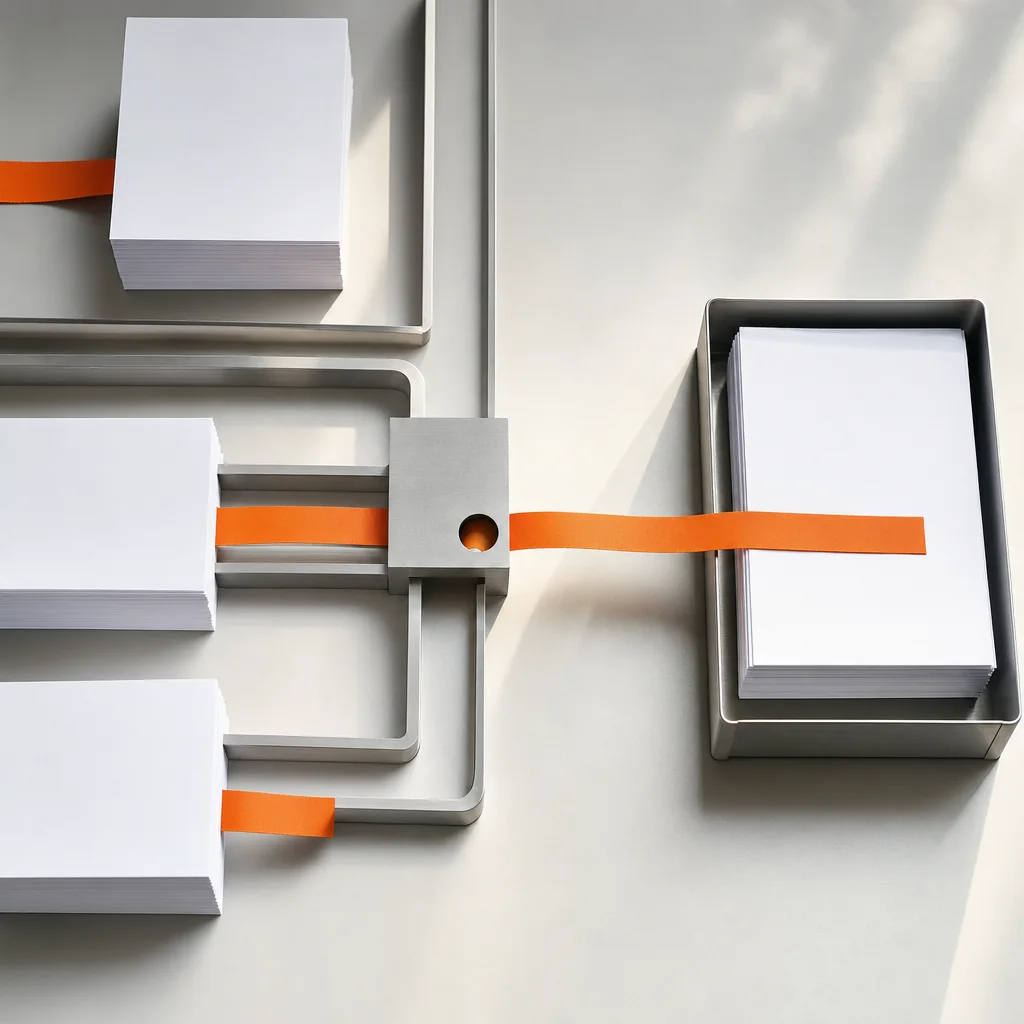
Automation illustration showing business intake, routing, approvals and reporting.
What we automate

Operational flows with volume, repetition and avoidable delay.

Automation works best when the workflow is important, repeated, and already shaped enough to benefit from clearer logic and stronger visibility.

Approvals and reviews

Quote review, finance approval, compliance sign-off, policy validation and escalation rules.

Forms and capture

Intake forms, structured requests, onboarding steps, document gathering and exception handling.

Notifications and handoff

Routing work to the right person, alerting teams, tracking status and reducing missed follow-up.

Reporting and visibility

Operational dashboards, cycle-time tracking, bottleneck identification and action-oriented reporting.

Where it lands

Automation should strengthen the operating model, not sit beside it.

We connect workflows to the systems, records and people already involved in the work. That means the value shows up in turnaround time, fewer dropped tasks, cleaner data and better visibility for leadership.

  • ERP, CRM and document workflows aligned to real process steps
  • Approvals with rule logic and human checkpoints where risk exists
  • Dashboards and alerts that show what needs attention now
  • Exception paths for edge cases instead of brittle straight-line automation
Typical outcomes
Less manual follow-up Fewer emails, reminders and duplicated updates
Better throughput Work moves with less waiting between teams
Stronger visibility Leadership can see bottlenecks and exceptions earlier
Governance

Good automation still leaves room for judgement.

The goal is not blind straight-through processing. It is a system that knows when to route, when to prompt, and when a human should make the call.

What we avoid

  • Automating around a broken process without redesigning it
  • Creating hidden rules that teams cannot see or trust
  • Adding another disconnected tool with no reporting discipline

What we design for

  • Clear intake, rule logic, ownership and next-step visibility
  • Human review where risk, money or judgement is involved
  • Reporting that supports improvement, not just status snapshots
Next step

Start with the workflow that is costing the most time.

We use the assessment stage to find the highest-value automation opportunity, define the architecture around it, and identify what should happen first.

Request an assessment scope
This Solution

Architecture, automation and AI built around operational reality.

The same business-improvement posture carries through the whole site, including the service pages, so the brand does not collapse back into generic technical delivery.

Capability strip for This Solution.